
Overview
Ergonomic Office Chairs Explained: Support, Adjustability, and Long Sitting
How ergonomic office chair support, adjustability, and movement affect long-term sitting comfort.
Read overviewClear, criteria-based overviews that focus on ergonomics, comfort, and long-term usability. We highlight strengths, limitations, and trade-offs so you can make informed choices without marketing noise.
How ergonomic office chair support, adjustability, and movement affect long-term sitting comfort.
Read overview
Why posture alone isn’t enough — and how movement, breaks, and position changes reduce fatigue and long-term discomfort while sitting.
Read overview
How hip height, leg support, knee angles, and foot placement influence sitting comfort, circulation, and long-term lower-body health.
Read overview
Understand how shoulder position, arm support, and wrist posture work together, and why upper-body discomfort often starts away from where pain is felt.
Read overview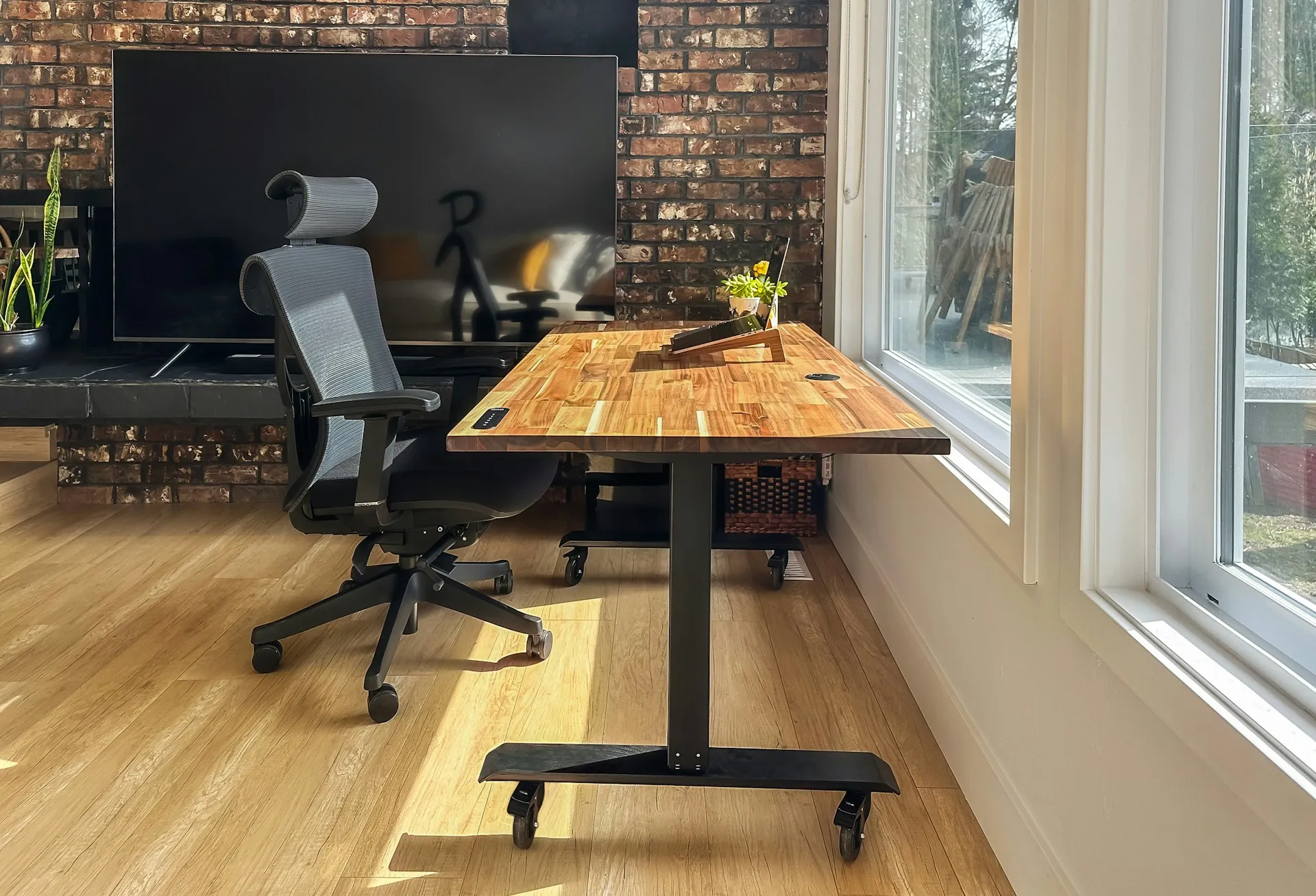
Learn how desk height, chair setup, and monitor position interact as a system, and why adjusting one element in isolation often causes new strain.
Read overview
A foundational overview of what comfortable sitting really means, how discomfort develops over time, and why support and movement matter more than perfect posture.
Read overviewOur overviews are based on the same core criteria applied consistently across products. Instead of chasing specs or trends, we focus on how items perform in everyday work setups over time.